Odisha
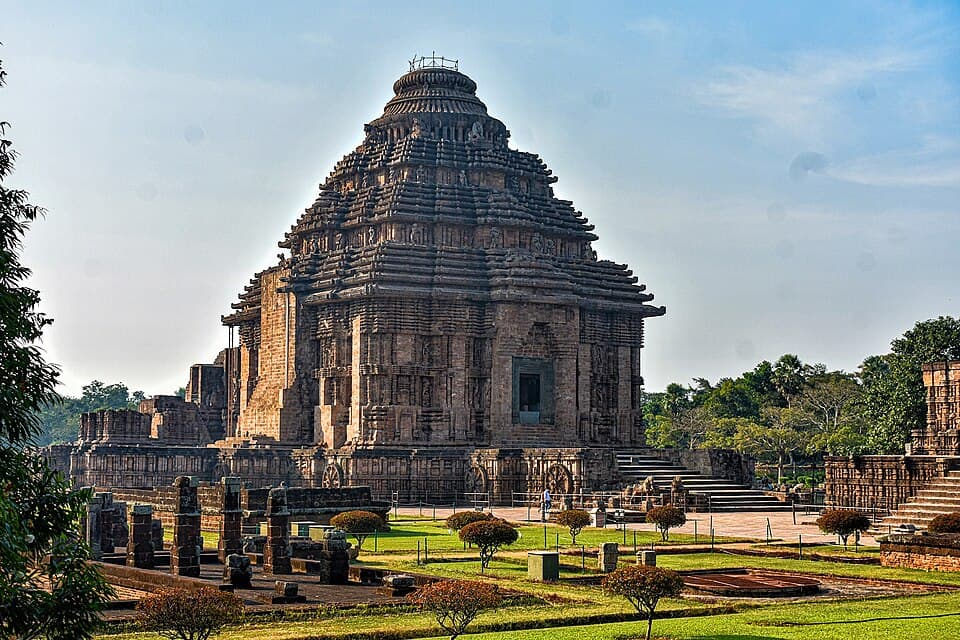
Sun Temple, Konark
A 13th-century temple conceived as Surya's chariot. Look at the carved wheels alongside the larger architectural plan.
UNESCO heritage referenceIndian heritage, in context
Explore the places, scripts, and symbols behind a photograph. Follow an inscription from visible evidence to a more informed reading.
Sun Temple, Konark · OdishaFollow a labeled sample reading from an inscription to its historical context. For your own research, keep visible evidence separate from interpretation.
Explore a sample readingBrowse heritage sites, open their location, and connect architecture with the people and traditions that shaped it.
Browse heritage sitesLearn why language and script are different, how inscriptions preserve dates, and which attributes help identify a sculpture.
Open the learning libraryPlaces to look closely
Odisha
A 13th-century temple conceived as Surya's chariot. Look at the carved wheels alongside the larger architectural plan.
UNESCO heritage reference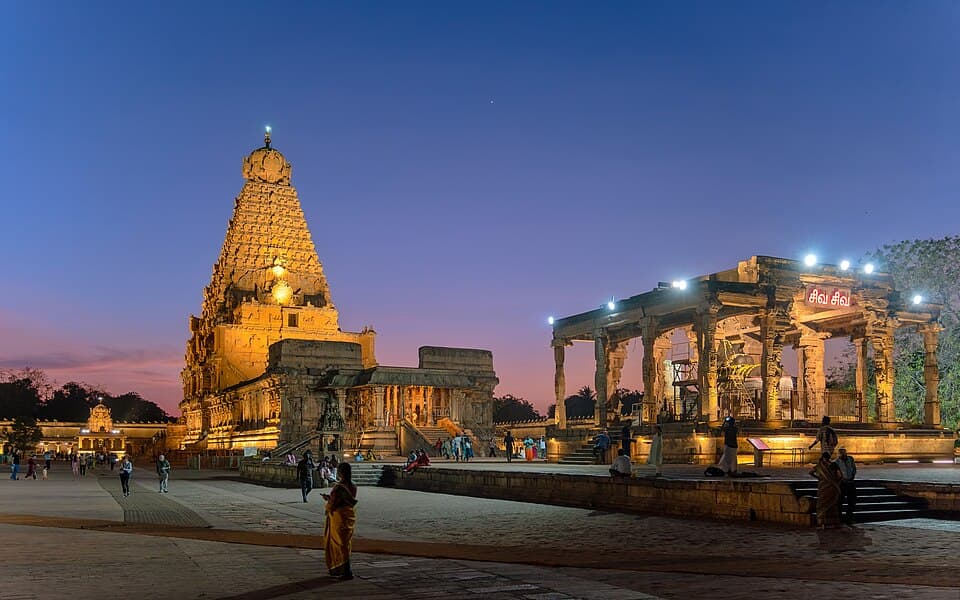
Tamil Nadu
Part of the Great Living Chola Temples. Study the relationship between the sanctuary, monumental tower, and surrounding complex.
UNESCO heritage reference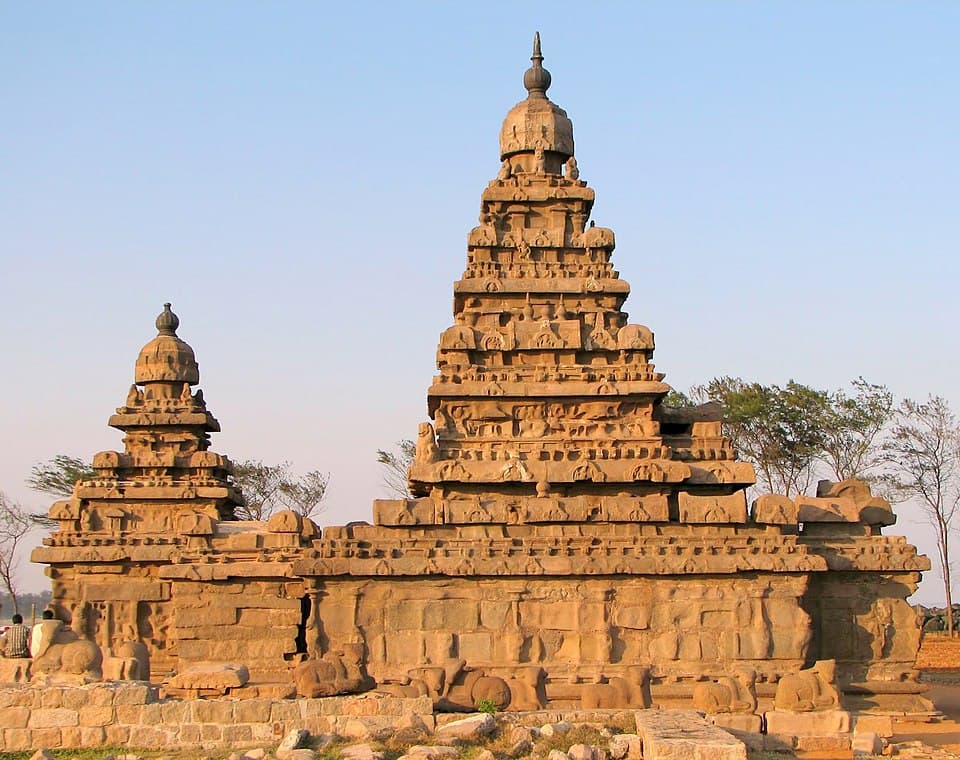
Mamallapuram, Tamil Nadu
Explore a coastal temple setting, then compare its construction and sculpture with other Pallava monuments.
UNESCO heritage referenceThe field library
An inscription is evidence of a place, a person, and a moment. These guides explain what to observe, what to record, and where to verify a reading.
From a clear photograph to transcription, translation, and verification.
Dates, names, lunar-calendar wording, and regional reading clues.
Observe the figure and the text before drawing a conclusion.
Early writing, archaeological context, and the need for published readings.
A language can be written in several scripts. Learn what to check.
Read attributes, posture, and placement as a group of clues.
AI can suggest a reading or an identity. Weathering, shadows, missing letters, and regional styles can change the answer. Preserve the original photograph and verify important names and dates before citing a result.
Read the research guideBrowse and learn for free. AI scanning requires an internet connection and uploads the selected photograph for analysis. Guests have 3 scans; signed-in free users have 10 lifetime scans. Premium adds unlimited scans, additional supported languages, and research export.
View on the App Store Ask about Android testingSelect a photograph or use the camera. The selected image is uploaded to the backend and processed with Google Gemini to suggest inscription readings, object identity, and historical context. Scanning needs an internet connection. Image quality and network conditions affect the result and waiting time.
Treat AI output as a candidate reading. Keep transcription separate from translation and visual inference. Damaged letters, names, and calendar dates require comparison with published readings or an epigraphist; a confidence signal is not proof of accuracy.
Heritage browsing and learning remain free. Guests have up to 3 scans. Signing in raises the allowance to 10 total free scans, including prior guest scans linked to that account, not 10 additional scans. The allowance does not reset daily or monthly. Premium unlocks unlimited scans, additional supported languages, and research-note export. Native store prices and subscription terms are shown before purchase.
English and Hindi are available without Premium. Premium unlocks additional supported output languages including Tamil, Telugu, Kannada, Marathi, French, Spanish, and Chinese. An output language is different from the script visible in a photograph.
Bundled mobile heritage information and saved scan results can be viewed offline. New AI scans and chat need a network connection. Website pages and map tiles also require connectivity unless already cached by the browser.
Use the scan feedback option in the app or contact support@aitihasik.com. Include the site, the incorrect statement, and a published reference when possible. Never send private account credentials.